
Ursa Major looks to fly Draper engine, takes aim at rocket engine markets
“This will be a next-generation capability being introduced by Ursa Major for hypersonic technology,” Ursa Major CEO Dan Jablonsky told Breaking Defense.
“This will be a next-generation capability being introduced by Ursa Major for hypersonic technology,” Ursa Major CEO Dan Jablonsky told Breaking Defense.

"In this particular program, we went from concept and design to firing and flight on the range in just under four months, which is lightning fast," said Ursa Major CEO Dan Jablonsky.


In which five executives, three lawmakers and two Pentagon officials weigh in on whether they think DOGE will be a good thing or a bad thing for the Defense Department.

Ursa Major will match DoD's $12.5 million investment bringing the total deal's value up to $25 million.
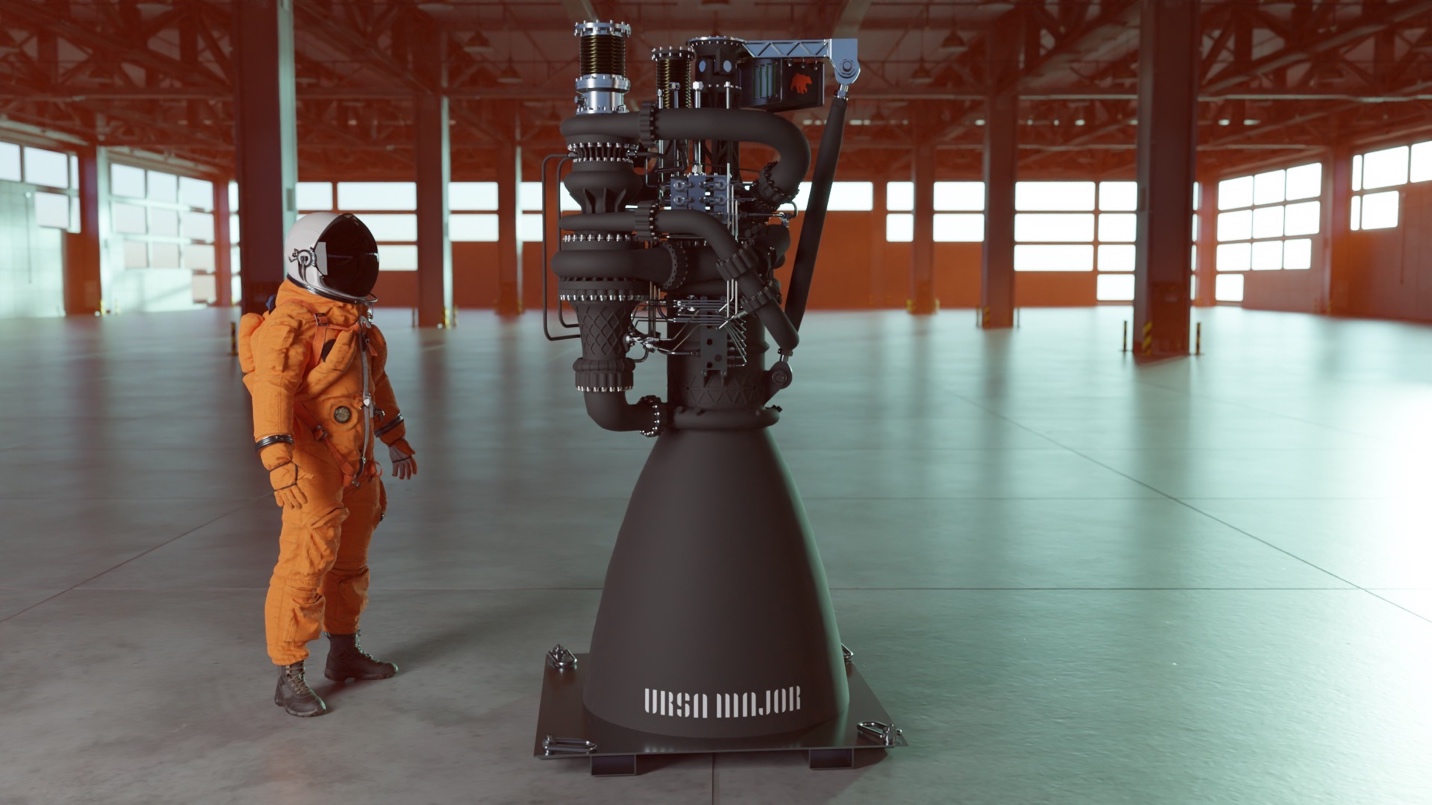
During his tenure at Maxar, Dan Jablonsky developed a track record for “bringing a lot of first-of-its-kind solutions” to its customers, “not just bringing [products] to market … but developing that trust, developing that scale that Ursa Major is going to need,” said Ursa Major founder Joe Laurienti.

The company has no doubt been looking somewhat nervously into the rear view mirror as new competitors race into the skyrocketing Pentagon market.


Blending superior optics, advanced stabilization and AI-powered autonomy in a compact and rugged system, ASELFLIR 600 delivers unmatched intelligence, surveillance and reconnaissance (ISR) capabilities.
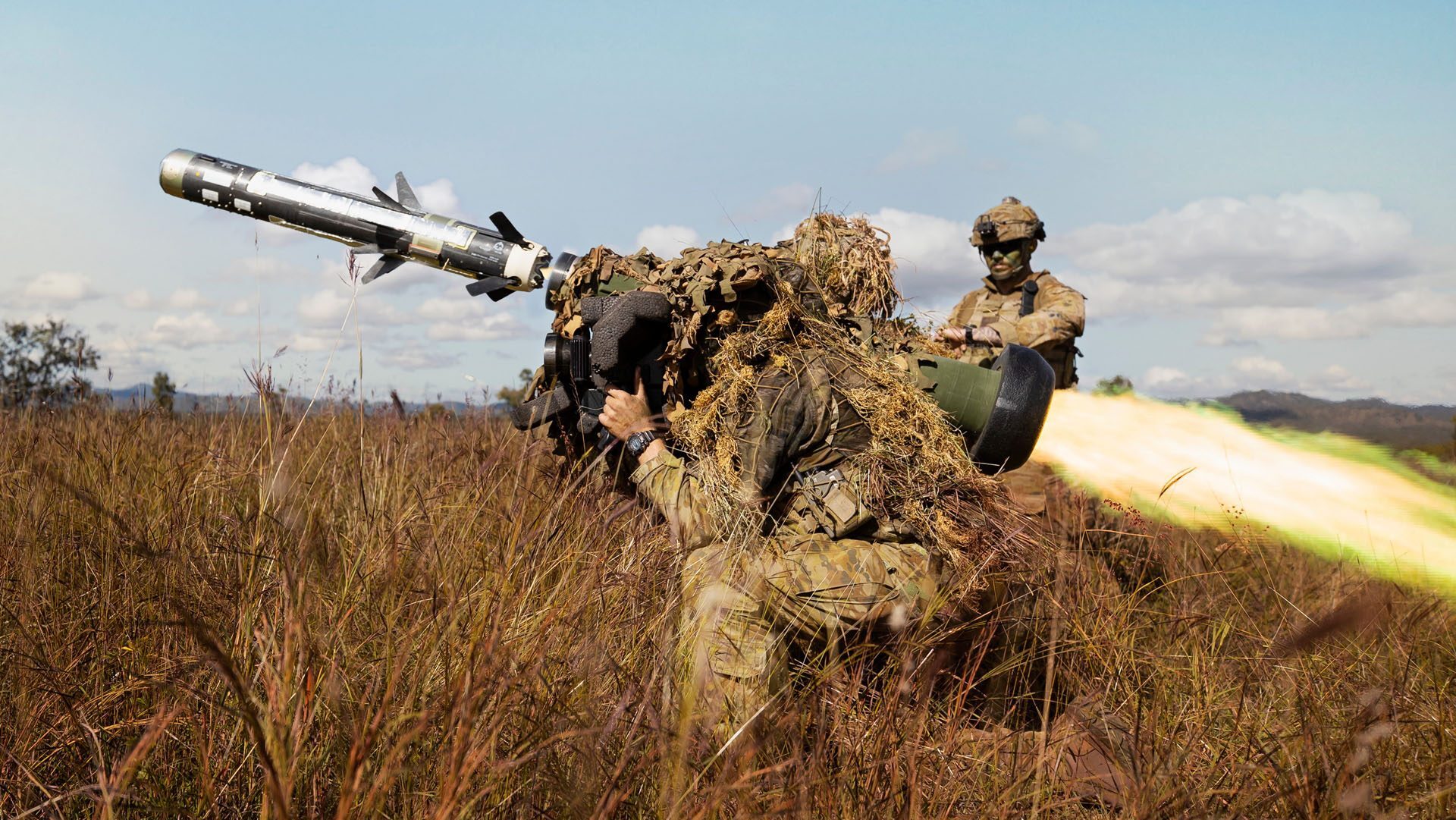
DoD officials and outside experts have been wringing their hands for the past year over the state of the US supply chain for solid rocket motor technology, as stocks of munitions and missile systems reliant on SRMs — such as the Army's Javelin shoulder-mounted anti-tank weapon, Guided Multiple Launch Rocket System (GMLRS), and Stinger missiles — have been depleted by sales to Kiev.
Responsive launch is enabled by the fact that Draper's hydrogen peroxide fuel is easily storable, Ursa Major CEO Joe Laurienti told Breaking Defense, which cuts down prelaunch logistics — whereas other highly toxic liquid fuels often used to provide the high thrust needed for a missile to reach hypersonic speeds (Mach 5 and above) require special handling.